
The Gregorian calendar is today’s international calendar, named after the man who first introduced it in February 1582, Pope Gregory XIII.
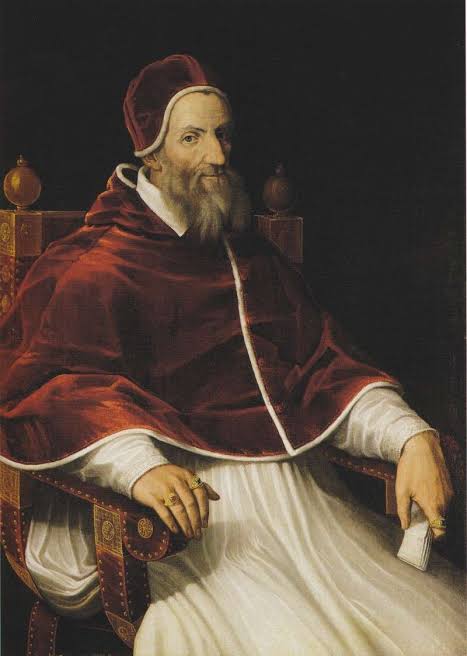
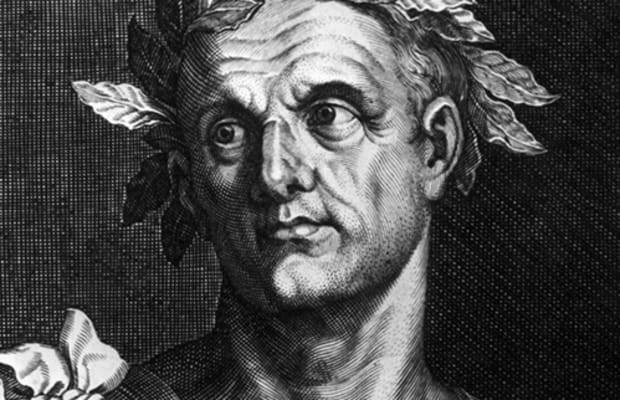
Before 1752, Britain and her Empire followed the Julian calendar, first implemented by Julius Caesar in 46 B.C. However this calendar had an inbuilt error of 1 day every 128 years, due to a miscalculation of the solar year by 11 minutes. This affected the date of Easter, traditionally observed on March 21, as it began to move further away from the spring equinox with each passing year.
To get over this problem, the Gregorian calendar was introduced. This is a solar calendar, based on a 365-day year divided into 12 months. Each month consists of either 30 or 31 days with one month, February, consisting of 28 days. A leap year every 4 years adds an extra day to February making it 29 days long.
First to adopt the new calendar in 1582 were France, Italy, Poland, Portugal and Spain. Turkey was the last country to officially switch to the new system on January 1st, 1927.
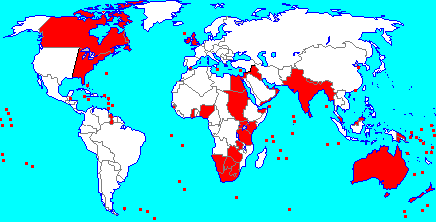
The Calendar (New Style) Act 1750 introduced the Gregorian calendar to the British Empire, bringing Britain into line with most of Western Europe.
Its introduction was not straightforward. It meant that the year 1751 was a short year, lasting just 282 days from 25th March (New Year in the Julian calendar) to 31st December. The year 1752 then began on 1 January.
There remained the problem of aligning the calendar in use in England with that in use in Europe. It was necessary to correct it by 11 days: the ‘lost days’. It was decided that Wednesday 2nd September 1752 would be followed by Thursday 14th September 1752.
 Interesting science things and new theories